Håll dig uppdaterad med BK Helmets senaste företagsnyheter, nya produktlanseringar, trender för motorcykelhjälmar, internationella säkerhetsstandarduppdateringar och globala utställningsmeddelanden.
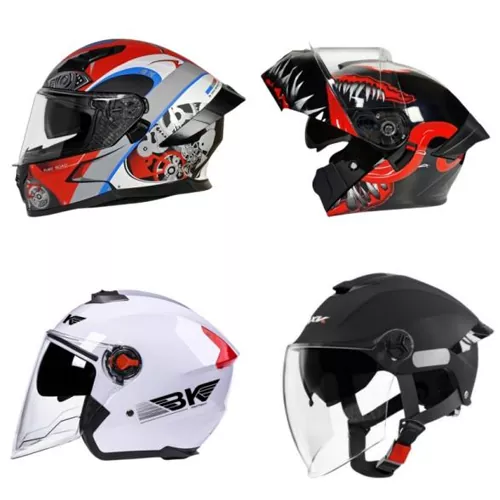
Mitt i uppdaterade säkerhetsföreskrifter, utvecklande hjälmteknologier och en flod av ocertifierade lågkvalitetsprodukter på 2026-marknaden, har valet av en tillförlitligt skyddande motorcykelhjälm blivit allt mer utmanande för förare på alla nivåer. Denna omfattande köpguide bryter ner alla kritiska inköpsfaktorer, inklusive de senaste certifieringsstandarderna ECE 22.06, DOT FMVSS 218 och Snell 2026, stilmatchning för olika körscenarier, prestandaskillnader mellan ABS- och kolfibermaterial, vetenskapliga anpassningsmetoder och vanliga inköpsfällor. Det hjälper ryttare att gå bortom ytliga faktorer som utseende och pris för att välja en certifierad, välmonterad, scenariolämplig hjälm som ger genuint krockskydd.
Denna djupgående produktionslinjetur går genom vår heltäckande automatiserade ABS-hjälmtillverkningsprocess, från råmaterialinspektion och precisionsformsprutning till EPS-fodertillverkning med hög densitet, ytbehandling och kvalitetskontroll i hela processen. Alla hjälmar använder slagtåligt ABS-material med en säkerhetsstruktur i två lager, som överensstämmer med vanliga internationella säkerhetscertifieringar. Vi erbjuder även OEM-anpassning i ett enda tillfälle som täcker utseende, funktionell design och motorcykelskydd i hela sortimentet, vilket stöder flexibla ordervolymer för globala varumärken, distributörer och återförsäljare.
I enlighet med GB811-2022 klass A-standarder använder våra helhjälmar ABS-skal och EPS-buffert för att skydda hela huvudet och hakan. De har ventilation, anti-dimmglas och tvättbara foder för säker och bekväm körning i alla scenarier.
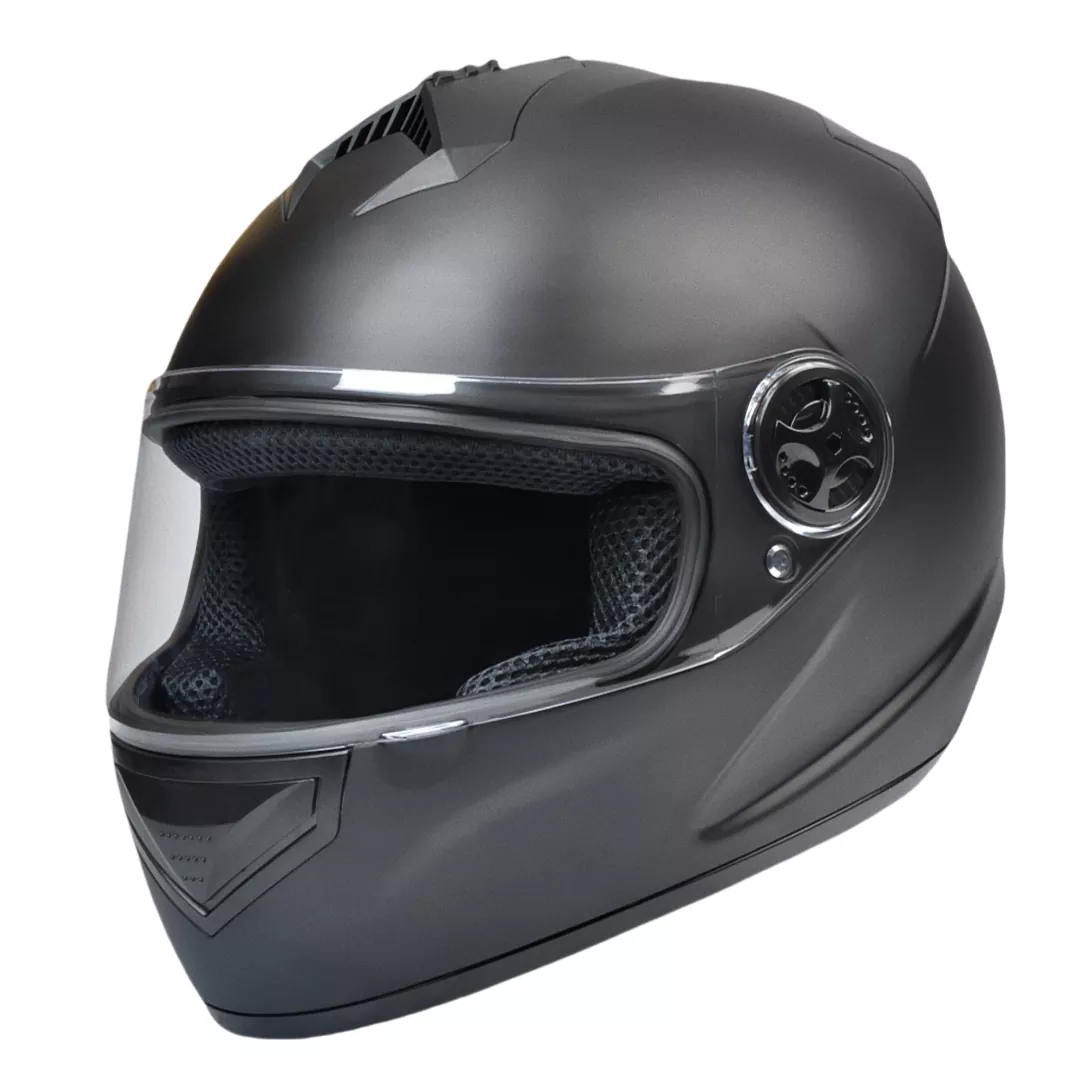
Wind noise is the unseen culprit that saps the most energy during long-distance rides. Many cyclists assume that all helmets are equally noisy, but in reality, the level of wind noise control is a key indicator of a helmet's engineering design. This article breaks down the sources of helmet wind noise, the differences in noise levels between various helmet styles, and how to assess a helmet's noise-reduction performance when making a purchase.
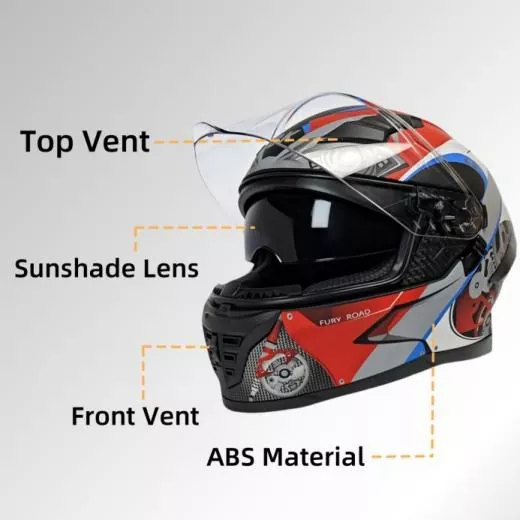
That low-angle sun during the morning and evening grind doesn't just bug you—it's a genuine hazard that city riders quickly come to dread. Dual visor helmets were pretty much born to handle this exact headache. Tucked inside the shell is a drop-down tinted visor you can snap into place in a split second, no messing around with swapping out your clear shield at the side of the road. But it's not a perfect fix without trade-offs; you gain quick sun-blocking at the cost of a little extra weight, more complexity, and a potential fog-prone gap between the two visors. This article breaks down the pros and cons of dual visor systems, compares them with photochromic visors, and identifies which riders truly need to pay for this feature.
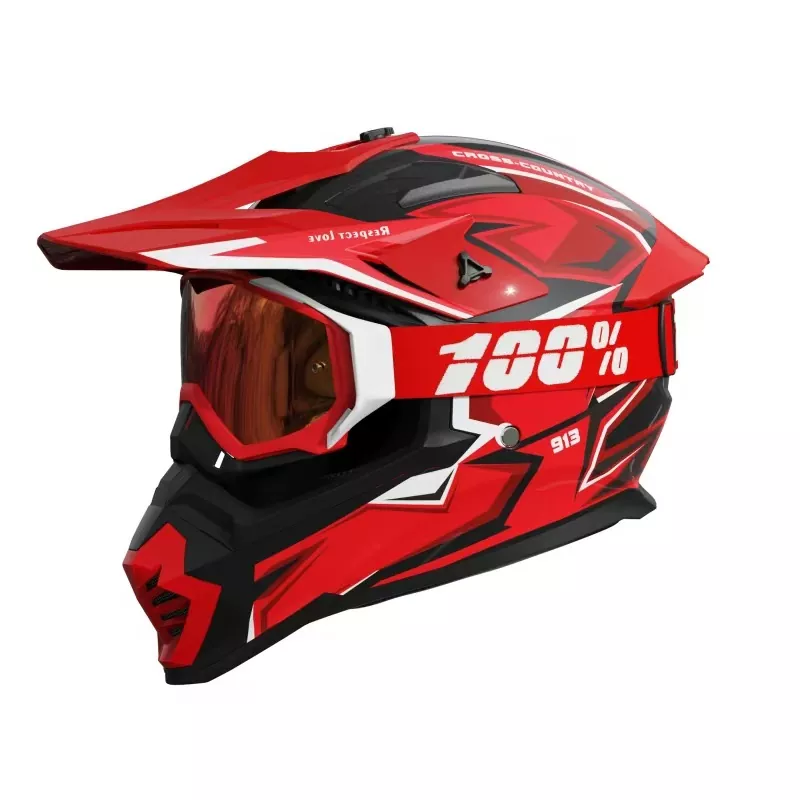
Plenty of riders get stuck on the same question: can you just grab an Off-Road Helmet and use it as a cycling helmet, or the other way around? The short answer is—no, you really can’t. The two come from completely different design philosophies, right down to the root. How they think about ventilation, where they put their protection priorities, how they handle your field of view—every single detail has the DNA of its intended riding environment baked right in. This article is going to pull apart the core differences between these two helmet types, so you can see for yourself why the whole “one helmet for everything” idea rarely turns out to be a smart move in the real world.
Vi använder cookies för att ge dig en bättre webbupplevelse, analysera webbplatstrafik och anpassa innehåll. Genom att använda denna sida godkänner du vår användning av cookies. Sekretesspolicy


 03 2026-07
 01 2026-07
 12 2026-06
 22 2026-05
 15 2026-05